








Several mild cold fronts have passed through the Suncoast over the past few weeks. These fronts are like a warning signal to both pelagic fish on the move and fish that remain in local waters throughout the year. It’s most evident with pelagics like Spanish and king mackerel that move southward with each new frontal passage. Schools of big kings hit the offshore artificial reefs, wrecks and rock piles where bait schools hang. These bait magnets are like the kitchen to these fish and the fish are bellying up to the table! Spanish mackerel do the same, but seem to prefer the near shore reefs and inshore waters where they can feed on scaled sardines, threadfin herring, and glass minnows that stage up near the mouths of rivers, creeks, and bays this time of year. The occasional kingfish will move in and out of lower Tampa Bay as well, but will do that more commonly when we get closer to Thanksgiving week.
On the inshore scene, each drop in atmospheric pressure caused by an approaching front triggers a bite. Small nuances like tidal surges, an increase in wind velocity and wind directional changes enhances the bite with snook, trout, redfish, flounder, bluefish, and just about every other species of fish in the bays.
One common denominator right now where we’ll find feeding fish is the proximity to the mullet run. Mullet in our bays are beginning to school up on the fronts in preparation for the offshore spawn. Look for big schools of mullet jumping and you’re likely to find other fish feeding in the area. Redfish are notorious for running with schooling mullet, just as big gator trout are. You’ll also find big snook on the flats during a blow.
Higher winds create a wind-driven currents that move baitfish in the bay and anywhere bait schools hang. This improves the bite for ambush feeders like snook and trout that stage up on windy points and channel edges. Troughs on the open flats that have ridges that rise upward toward the surface makes the water ‘hump’ up as the velocity increases with tidal surges and the water moves over the humps. This triggers action nearly every time on these humps.
Fronts will be passing continuously for the next five or so months. Some will be very mild, and some more harsh. Each frontal passage prepares fish for the winter ahead. The more severe the front, the bigger the change fish make in movement toward their ultimate winter destinations until they reach those areas. The main thrust of the movement is the food source. Baitfish move with plankton, a portion of their food source. Time of day plays a part in depth plankton holds. During warmer times of the day, plankton moves toward the surface, making surface lures and suspending baits more productive. Lures like the MirrOlure Top Dog, MirrOmullet XL, and MirrOdine cover the top couple of feet of water near the surface, where these fish are feeding. But once winter weather socks in, look for feeding fish to remain on or near the bottom.
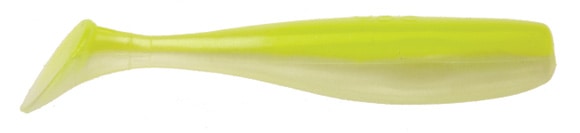
Fish seem to have a preference to colors more-so now than during the summer months. Night glow is always a top color, but chartreuse and hot pink colors seem to get hit more often as water temperatures fall. A combination of these colors can be deadly. On a recent trip, I threw several types of soft plastic lures and these are my top three choices of artificial bait to use during the cooler months: The CAL Shad, CAL 5.5 Jerk Bait, and the MirrOlure Lil’ John were the lures that got hit.